
Meningitis outbreak: no evidence of increased risk say Fife health bosses
NHS Fife say there is no evidence of any increased risk of meningitis in Fife following confirmed cases in England.
Two young people died earlier this month after an outbreak in Kent in which there were 20 confirmed cases. Four schools and two universities saw confirmed cases, as well as a higher education institution in London - all linked to a nightclub in Canterbury.
Given the high profile coverage of the outbreak south of the border, health officials in Fife say they are monitoring the situation and have advised young people to ensure their vaccinations are up to date.
Dr Esther Curnock, consultant in public health medicine and immunisation co-ordinator for Fife, said: “We are aware of recent reports of meningitis cases in England and understand why this may be concerning for people here. There is no evidence of any increased risk in Fife at present and there haven’t been any changes to the public health advice.
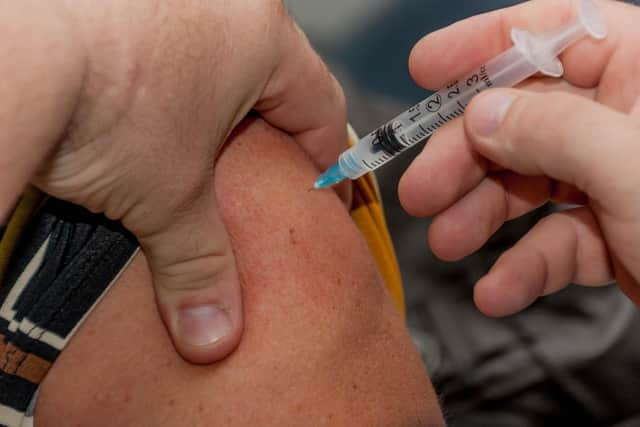

“Routine vaccinations continue as normal, including the MenACWY vaccine, which is offered to all young people in S3 through the school‑based immunisation programme.
“Anyone who has missed this vaccination can still receive it up to their 25th birthday, and advice on how to do this is available via NHS Inform.”
Dr Curnock said public health and immunisation teams are in regular contact with local partners, including University of St Andrews University, Fife College and other educational settings to provide reassurance, share national guidance and support students and staff to check they are up to date with routine vaccinations.
“Meningitis and meningococcal septicaemia can be very serious and life threatening if not treated quickly,” she added.
“It’s important that people are aware of the signs and symptoms, which include a sudden high temperature, severe or worsening headache, a stiff neck, joint or muscle pain, vomiting or diarrhoea, confusion, drowsiness, sensitivity to light, or a rash that does not fade when pressed.
“Symptoms can appear in any order and may not all be present. Anyone who is concerned should seek medical help urgently.
“We continue to encourage people to check that their vaccinations are up-to-date and to rely on trusted sources such as NHS Inform and Public Health Scotland for the latest advice.”