
Eight key lessons for Kirkcaldy as town tries to re-invent itself
Across the UK, coastal towns have spent the past two decades trying to reinvent themselves.
Many faced declining industries, struggling high streets and fewer visitors than in their heyday. Yet some communities have successfully turned the tide, transforming once-struggling town centres into vibrant places to live, work and visit.
For Kirkcaldy, a town with a proud heritage and prime coastal location on the Firth of Forth, there are valuable lessons to be learned from these regeneration successes.
A town with a global legacy
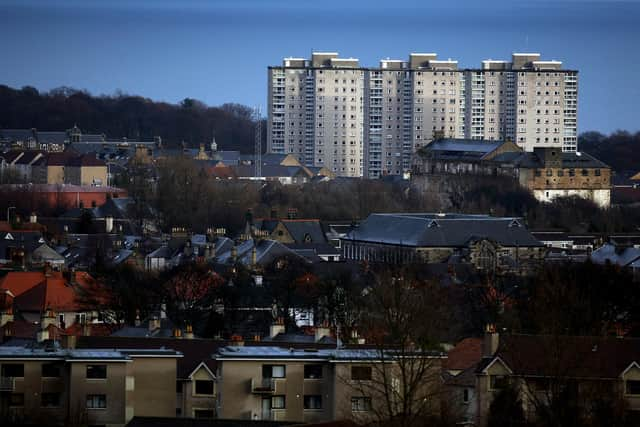

Kirkcaldy already holds a remarkable place in global history. It was the birthplace of the economist Adam Smith, whose landmark book The Wealth of Nations transformed the way societies think about markets, trade and prosperity.
Yet visitors arriving in the town today might not immediately realise that the father of modern economics once walked its streets. That heritage offers a powerful opportunity. Celebrating Kirkcaldy’s Global Legacy more visibly could become a defining part of the town’s identity.
Across Britain, towns that have successfully regenerated have often started by embracing their story, building a future that connects proudly with their past.
The power of a clear vision
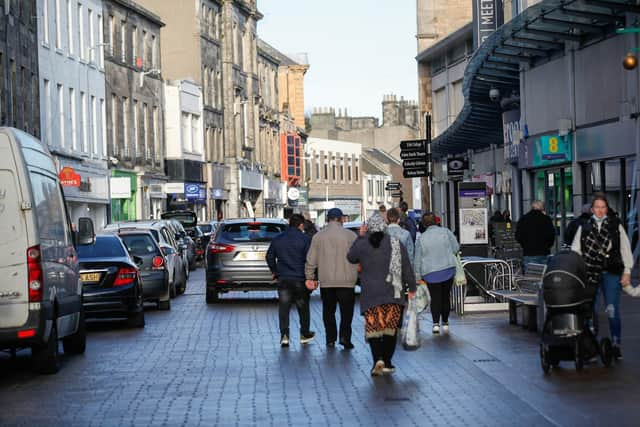
One of the UK’s most discussed regeneration successes is Folkestone, a town similar in size to Kirkcaldy. Around 2000, it faced decline: ferry services had ended, the harbour was dilapidated, and the town centre struggled.
Revival began with a clear cultural vision. The Folkestone Creative Quarter restored empty historic buildings for artists and independent businesses, while the Harbour Arm became a vibrant public space with food stalls and cultural events. Folkestone’s success came from a long-term strategy combining creativity, small business growth and waterfront investment.
Culture as a catalyst
Another striking example is Margate in Kent, which has undergone a cultural revival over the past 15 years. The opening of the Turner Contemporary helped reposition the town as a creative destination.
Inspired by the work of painter J. M. W. Turner, the gallery brought national attention and new visitors. In its wake, Margate’s Old Town has seen independent shops, cafés and galleries move into previously vacant buildings.
Kirkcaldy already has strong cultural foundations, including Kirkcaldy Galleries. Building on these assets, through festivals, public art and expanded exhibitions, could help strengthen the town’s cultural identity and attract more visitors.
Kirkcaldy also has an opportunity to bid for UK Town of Culture 2028, a competition that could bring national attention and significant investment. If Kirkcaldy passes the first stage, £60,000 would be awarded to develop a cultural strategy and full bid.
Making the waterfront work
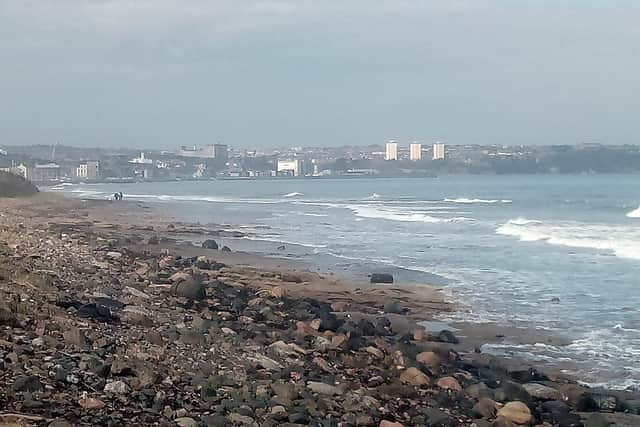
Kirkcaldy’s seafront is one of its greatest assets, yet many residents feel its potential remains underused. Successful coastal towns often begin regeneration by rediscovering the power of their waterfront.
In towns such as Whitstable, Kent - population 31,000 - and Scarborough in Yorkshire with a population of 61,000, promenades, food markets and waterfront events have helped turn coastal spaces into lively gathering points for residents and visitors alike.
With thoughtful investment, Kirkcaldy’s waterfront could become a more vibrant destination, hosting events, pop-up markets and outdoor activities while strengthening the connection between the promenade and the town centre.
The key is ensuring that the waterfront and high street support one another rather than existing as separate spaces.
Bringing empty buildings back to life
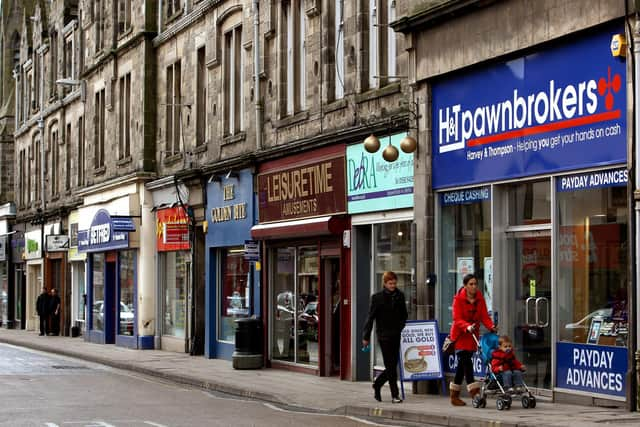
One of the biggest challenges facing town centres is the rise of empty shops. Changing shopping habits, the growth of online retail and the development of out-of-town retail parks have left many traditional high streets struggling.
In Kirkcaldy, bringing vacant premises back into use must be a central part of regeneration.
There are useful lessons from elsewhere in Scotland. In Kilmarnock, East Ayrshire Council has worked with consultants from the Vacant Shops Academy to establish a ‘Repurposing and Retrofit Panel’ - this brings together developers, architects and planners to identify solutions for individual vacant buildings.
In Argyll and Bute, the council has introduced grants to encourage property owners to bring empty premises back into use and has appointed a dedicated Empty Property Officer. Some £560,000 has already been committed in grants for 32 individual projects this financial year.
In Aberdeen, efforts to revitalise the historic Union Street have included grants to refurbish vacant units and initiatives allowing artists and start-ups to temporarily occupy empty shops. The city is also exploring ways to convert unused upper floors into housing and other uses.
Directing some of Kirkcaldy’s £20 million regeneration funding towards refurbishing vacant premises and supporting new tenants could have a powerful impact on the vitality of the town centre.
The role of the third sector
The third sector plays a vital role in town centre regeneration. Across the UK, community organisations, charities and social enterprises have revived vacant buildings, run cultural programmes, and created spaces that serve local residents.
With their local knowledge and strong community connections, these groups can deliver projects that meet local needs. Partnerships between the public sector, private investors and the third sector can help make Kirkcaldy’s regeneration both economically successful and socially inclusive.
Attracting private sector investment
Public and third sector investment alone cannot deliver long-term regeneration; private investment is also essential.
The Kirkcaldy Property Network has been launched to connect investors, developers and property professionals with opportunities in the town. Its inaugural meeting attracted around 30 attendees, and these monthly gatherings aim to showcase projects and encourage new investment. Regeneration works best when public and private sectors collaborate, creating the right environment for lasting success.
A moment of opportunity
For Kirkcaldy, the coming years are a rare opportunity. The £20 million regeneration funding can do more than refurbish buildings - it can shape a confident, long-term vision.
That vision could celebrate the town’s intellectual legacy, revive vacant properties, strengthen the High Street, and energise the waterfront, supporting enterprise and attracting visitors. In a town that gave the world Adam Smith’s economic ideas, the next chapter could put those principles into action.
Across the UK, towns have shown renewal is possible, and Kirkcaldy’s best days can still lie ahead.