
Kirkcaldy £20million fund: We need bold decisions and swift action to transform town centre – time is running out
Kirkcaldy town centre stands at a crossroads. Once a bustling retail hub serving the heart of Fife, it now faces a stark reality: rising vacancy rates, declining footfall, and a retail landscape that has fundamentally changed.
Not so long ago, the High Street and surrounding streets were anchored by nationally recognised names.
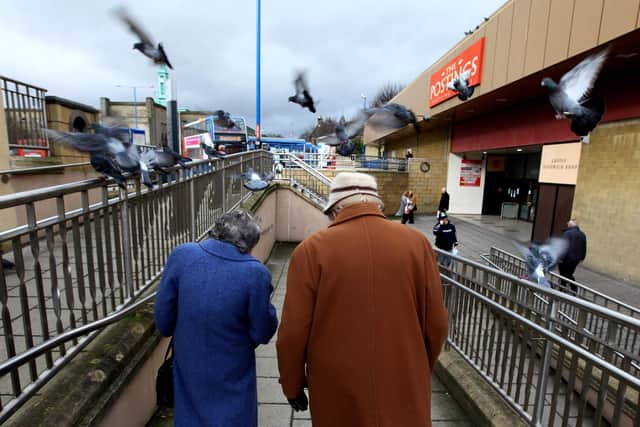

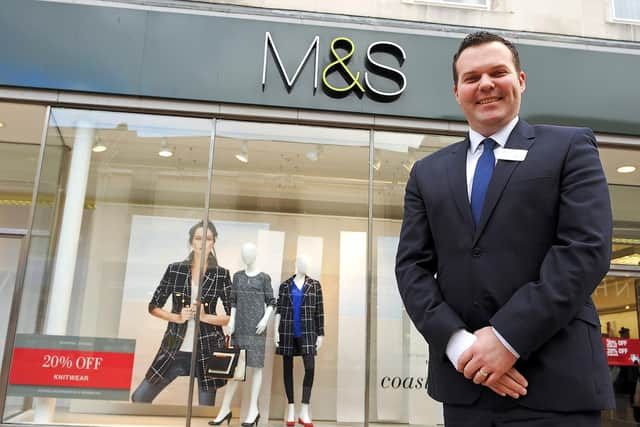
Shoppers could visit Marks & Spencer, browse fashion at Debenhams, or pick up clothing from Burton, New Look, Wilkies, and River Island.
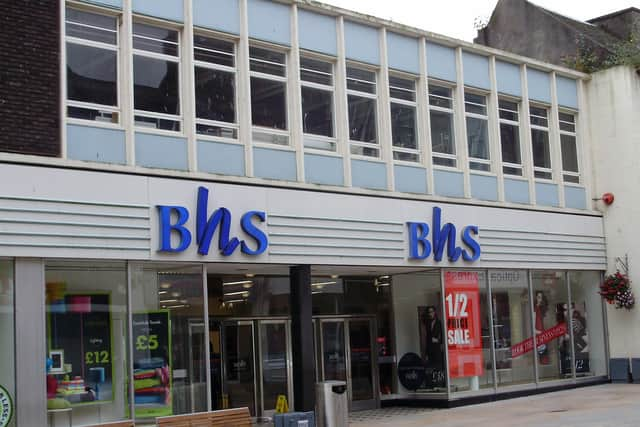
British Home Stores, Littlewoods and Tesco were also major contributors to the town centre’s retail offer. These stores drew people into the town centre and supported a wider ecosystem of smaller businesses, cafés, and services.
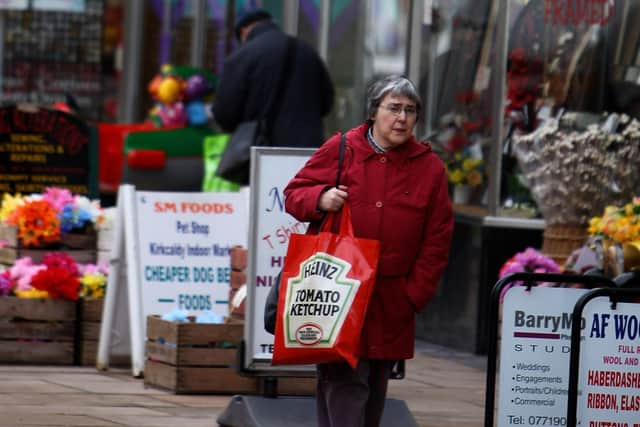
Today, that retail core has largely disappeared. These familiar names are gone, leaving behind empty units that are increasingly difficult to fill. The loss is not just commercial—it is psychological.
When anchor stores leave, they take with them a sense of purpose and destination.
Compounding the issue is the shift in how people shop.
Online retail has transformed consumer habits, reducing the need for regular trips into town centres.
Convenience, choice, and home delivery have made digital shopping an attractive alternative, particularly for clothing and household goods- categories once central to Kirkcaldy’s High Street.
At the same time, much of the town’s retail activity has migrated away from the centre. Kirkcaldy now has nine large foodstores -Sainsbury's, Morrisons, Marks & Spencer Food, Asda, Lidl, Farmfoods, the Food Warehouse and 2 Aldi stores - and yet, only one of these is located within the town centre. This dispersal of everyday shopping has further reduced the need for residents to visit the High Street.
A similar pattern is evident in comparison retail.
The edge-of-town retail park offers easy parking and a concentration of well-known brands. Stores such as B&Q, B&M, and Next now attract shoppers who might once have headed into the town centre.
The result is a gradual but persistent hollowing out. With fewer reasons to visit, footfall declines. As footfall falls, businesses struggle.
As more units become vacant, the attractiveness of the town centre diminishes further—a cycle that is difficult to break.
This is not unique to Kirkcaldy. However, the scale of vacancy and the concentration of activity outside the centre mean that Kirkcaldy faces a particularly steep climb.
If the town centre is to be revived, it cannot simply be restored to what it once was. The retail model that sustained it has changed too fundamentally. Instead, Kirkcaldy must redefine what its centre is for—shifting from a place focused primarily on shopping to one that offers a broader mix of uses, experiences, and reasons to visit.
So what might that look like in practice?
The starting point is diversification. The future lies in creating a place where people come not just to shop, but to work, learn, access services, and spend time.
Public and community services could play a key role. Locating healthcare provision or wellbeing hubs in the town centre would generate steady, reliable footfall. Similarly, training centres and adult learning facilities could bring activity back into vacant buildings while supporting local skills and employability.
Flexible workspace is another clear opportunity. The rise of remote and hybrid working has increased demand for local co-working hubs, offering an alternative to commuting. Introducing such spaces would bring a new daytime population into the town centre, supporting surrounding businesses.
Leisure and culture must also be central to any revival. New visitor attractions—whether heritage experiences or family-oriented activities—could help re-establish Kirkcaldy as a destination. Investment in arts and culture would add vibrancy and identity. Studios, galleries, and spaces for arts and craft businesses could transform underused units into places of creativity, giving the town centre a character that cannot be replicated online or in out-of-town retail parks.
There is also an opportunity to support independent retailers and local entrepreneurs. While large national chains may be reluctant to return, smaller businesses often seek affordable, flexible space. Encouraging a mix of cafés, specialist shops, and service-based businesses could help rebuild a sense of distinctiveness and local pride.
The physical structure of the town centre will be critical to this transformation.
Many vacant units were designed for large-format retail and are poorly suited to current demand. Sub-dividing these spaces into smaller units could make them more attractive to a wider range of tenants.
Some former department stores and large retail units could be reconfigured to accommodate a mix of workspaces, studios, community uses, and independent outlets - bringing life back to buildings that currently sit empty.
Community uses should form part of this mix. Advice services, youth facilities, and community spaces can draw people into the town centre. While these uses may not generate high rents, they provide consistent footfall and social value, both essential for long-term sustainability.
Against this backdrop, there is a significant opportunity to take action. Kirkcaldy has been allocated £20 million through the Growth Mission Fund to support investment in the town centre and waterfront. This funding provides a rare chance to deliver meaningful change if it is used effectively.
But time is limited. The funding must be spent by March 2029. In regeneration terms, that is a tight window. Planning, consultation, and delivery all take time - and the clock is already ticking.
This makes it essential that Fife Council moves quickly to set out a clear and credible vision. That vision must go beyond isolated projects and instead present a coherent strategy for how the town centre and waterfront will evolve together.
Crucially, it must also be a vision that the community can support. Regeneration is far more likely to succeed when local people feel a sense of ownership in the future being created.
The £20 million fund should be seen as a catalyst, not a solution in itself. Used well, it could unlock further investment, restore confidence, and begin to reverse years of decline.
Kirkcaldy still has strong foundations: a proud identity, rich heritage, and a waterfront with real potential. The question is whether there is enough urgency and imagination to turn that potential into lasting change.
Reviving the town centre will not happen by chance. It will require clear thinking, bold decisions, and swift action. The time to act is now.