
My year at the Victoria Hospital: the online punches hurt the people helping us
For the past year, I’ve been working at the Vic, posh name, Victoria Hospital in the town. It sits like a small town of its own in Smeaton, a vast spiralling estate of building over miles with corridors that take months to get your head around.
I wanted to be there. I wanted to experience hospital life, properly, from the inside to understand what it’s really like, not just what we hear or assume. Let me tell you, it’s unlike anywhere else.
The first thing that struck me wasn’t the size or the noise; it was the language. You start to notice how people are spoken of.
There’s a kind of shorthand “the gentleman in bay three,” or “the lady who came through the ward.” There was an empathy and softness in the words chosen. I felt it was a gift of dignity, even when the atmosphere was frantic and unforgiving.
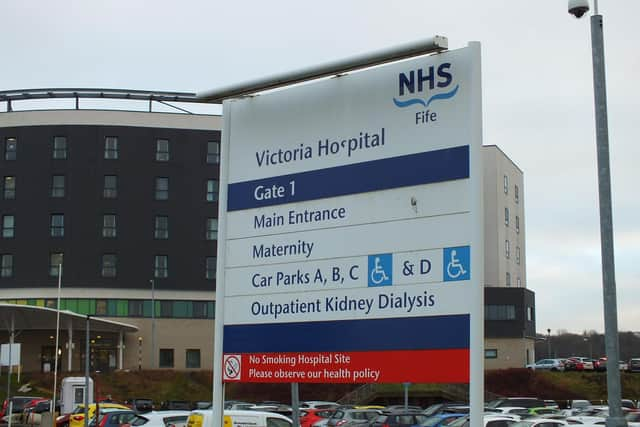

Of course, what most people see of the Vic, or any hospital, is A&E, me included. Ambulance queues outside are Facebook fodder with a reason to rage about the state of the NHS. Those queues are real, but they’re not caused by the staff trying to manage a waiting room full of pain and panic. It’s a reflection of a system that’s been pushed to its knees.
Posting a picture of ambulances waiting in the cold doesn’t make it better. It doesn’t help the nurse working a 12-hour night shift, snatching a bite of a sandwich while trying to help someone’s mum, dad, or child. The staff inside. They care deeply. That won’t have been everyone’s experience, but it’s been mine.
In the last few months, NHS Fife has taken a bit of a kicking in the media, online, in print, in a tribunal room in Dundee. Maybe some of it’s fair, but there’s a difference between calling out systems and breaking down the very people you’ll go to for help if you fall ill.
Imagine working a full shift with no break, running from one room to the next, knowing there are no beds to move people into and still being told every single day it’s not enough. I’ve seen the look on nurses’ faces when someone mentions online comments. It’s not just frustration. It’s resignation, exhaustion, hurt.
Our NHS isn’t perfect - how could it be? It’s free, underfunded, and it’s asked to do too much with too little.
But every time we give it a verbal online kicking, we’re not punching at some faceless institution - we’re knocking the staff, let’s face it, family, friends and neighbours, folk who live down the road from us.
Some days, when the noise gets too much, there’s a place called The Haven run by the Chaplaincy service. It’s a wee room of calm. On the table, there’s a book with handwritten notes from staff and patients alike hoping for a better outcome for their family, friends and for themselves. I called it the ‘book of hopeful prayer’. I have seen people take a moment there, me included. Then get back to work.
Now I’ve moved on, I want to say this: thank you.
To the people in that building who welcomed me, taught me, and showed me care in action. It’s been an honour and a privilege.
There is a remembrance bench for a ‘Great Paramedic & True Gentlemen, Michael Cain’. I’ve watched people read those words, take a seat, and smile. That bench matters. His memory matters. To his family and friends, I say a heartfelt thank you. It’s a gift to this place.
To those who work here, you’ve changed my life. And I won’t forget it.