
Blessing Of Burntisland: has ship with Charles I’s treasures been found off Burntisland?

It has been a quest that has spanned the decades - one that could yet uncover astonishing riches.
The Blessing Of Burntisland was laden with royal artefacts when it sank in the Forth, just off the coast of Burntisland, in 1633.
The treasures, which formed part of the coronation tour of King Charles 1, have never been recovered despite many extensive searches.
Now, a new report from a Burntisland group which has been at the forefront of the project for many years, suggests the ship has been found, raising hopes that its precious cargo - said to be much of the royal wealth of Charles I - could be recovered from the sea bed.

A timber sample has been retrieved from the site, and is now subject to further tests to determine if it was part of the Blessing.
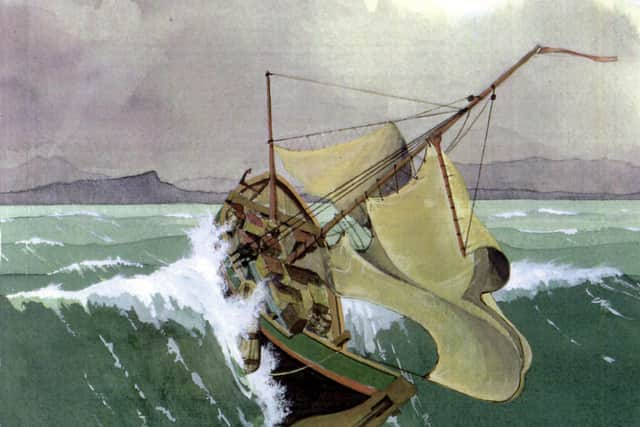
The wooden ferry was en route from Burntisland to Leith as part of the coronation tour of Charles I in July 1633 when it sank in unexpectedly rough waters. Just two people survived from 35 passengers and crew as the boat went down off the coast of the Fife town.
Almost 400 years later, BHAT believes it has been located, and has reported it to the UK Receiver of Wreck - the Maritime and Coastguard Agency (MCA) responsible for handling all recovered wreck material and salvage matters.
The update came in a report called "A New Blessing For Burntisland” published by Burntisland Harbour Access Trust (BHAT) which was set up as a campaign group to restore community rights of access to Burntisland Harbour after Forth Ports got permission to fence off areas which have always been regarded as open to the public.
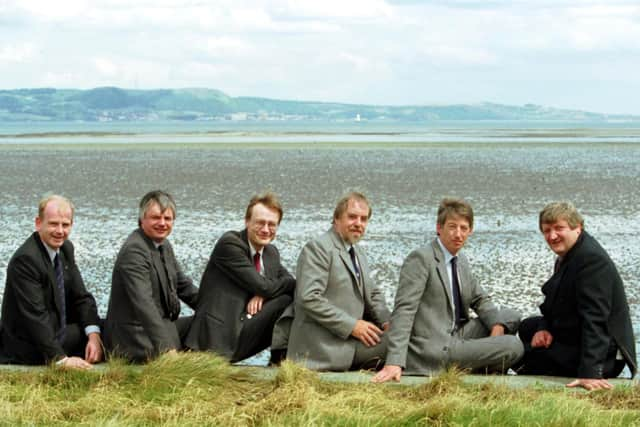
For the past 30 years, Ian Archibald, convenor of Burntisland Heritage (BH) has led a dedicated team of volunteers in the search for the Blessing.
The report said the group “now believes that the wreck has been found lying below the estuarial silt.”
And while the latest development does not mean a reward - no financial return is sought - Burntisland Heritage’s role as ‘salvor in possession’ could see it awarded a “substantial proportion” of the value of the artefacts and materials salvaged.
Charles I’s was valued at £100,000 four centuries ago, and its modern value could run into hundreds of millions of £s making it, potentially, one of Scotland’s of the most significant maritime archaeological discoveries in Scotland.
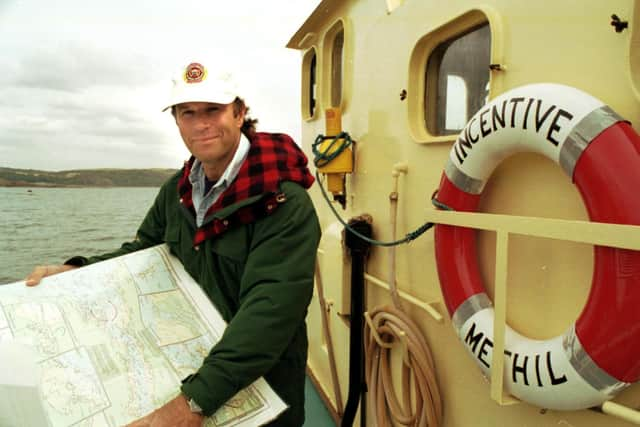
It said: “ The application of subsea ground penetrating radar, together with advanced scanning techniques, physical exploration of the site and the retrieval of a timber core sample now strongly point to the wreck being that of the Blessing.”
The group said the historic nature of the artefacts lost, potentially including a gold and silver dinner service commissioned by Henry VIII, meant that the value of items recovered could be considerable.
Ultimate control over the fate of any items retrieved rests with the Crown as owner, the Scottish Government, and Burntisland Heritage as the Salvor in Possession - but they could open up huge possibilities for the town.
BHAt and Burntisland Heritage have already met with senior officials from Fife Council, Crown Estate Scotland (CES) and the Scottish Government, with discussions centred on the potential opportunity, and benefits arising from the creation of a new museum and visitor centre to.
Such a building could house, conserve and display salvaged items from the wreck, tell the story of the Blessing and potentially other wrecks of the Forth, tell the wider story of the history of the town, and create a new visitor and educational experience and destination to support the local community and economy.
The report said: “Subject to confirmation of the wreck’s identity, there is likely to be significant support for this proposal from both the community of Burntisland and the key agencies responsible.
“Whilst a smaller centre could possibly be accommodated in existing town buildings, in commissioning this study BHAT wished to consider the potential for a state of the art, national museum, housed in a building of appropriate stature, built on land belonging to the community of Burntisland.”
The search for The Blessing has seen a number of efforts made to locate the wreck, without success. Over the years, divers have also retrieved pottery, shoe leather and fastenings but none have been conclusively identified the Blessing.
The first search took place in 1991, led by Kirkcaldy businessman Alex Kilgour, and in 1994 an American team, the Global Explorers Group, began two years of investigations in a fruitless bid to locate the vessel.
That work was taken over in 1997 by Burntisland Heritage Group, led by Mr Archibald.