
'I found school just too overwhelming' - how support helped changed Fife teen's life

A Kirkcaldy mum, whose daughter once dreaded going to school every morning, is encouraging parents facing similar challenges to seek help as part of a new national campaign aimed at tackling non-attendance.
Nicole Brown said families shouldn’t feel they have to struggle alone.
With the right support, her daughter, Abi, transformed from a teenager who didn’t want to leave her home into a young person thriving both academically and socially.
The duo are now urging parents to take advantage of the new resources available on Parent Club - the Scottish Government’s hub for information and advice to support parents and carers. The advice is designed to support conversations between families, pupils, and their teachers that identify the reasons why a child may be reluctant to go to school.


Abi, now 17, was in third year at secondary school when she started getting anxious about going to classes. Within months her attendance had dropped to just 27%, leaving her parents at a loss as to how to motivate and support her.
Mum Nicole said: “I don’t know if it was the lasting impact of Covid or being unhappy at school, but Abi started to get really anxious about being around people and didn’t want to leave the house.
“The less she left the house, the less she wanted to leave, and things just snowballed from there.
“When we did manage to persuade her to go, she would just hide in the toilets. We would get messages from school saying Abi’s missed a class and asking where she was. Abi’s dad and I were heartbroken that she was finding the daily routine of school such a huge mental challenge.”
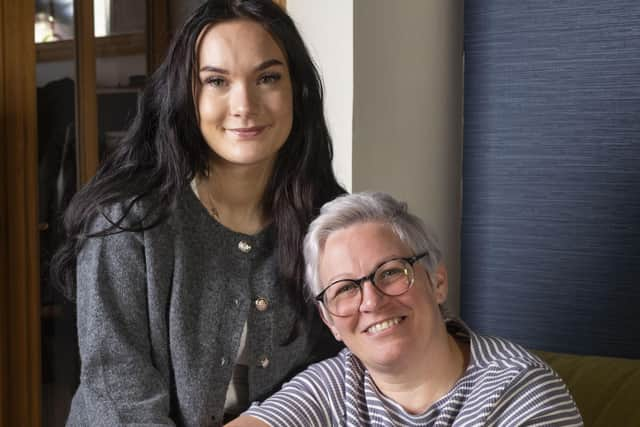
Abi admits she found the bustling school environment incredibly difficult.
She said: “I would try to go into school and maybe manage two classes at most and then have to come home. It was just too overwhelming for me.”
Concerned, her parents tried everything they could to motivate Abi but felt increasingly helpless.
Nicole said: “We felt so isolated. We wanted to do the best for Abi, and we knew being at home wasn’t good for her, but we didn’t know what else to do.”
Determined to find a solution, Nicole reached out to the school, and Abi’s guidance teacher put her in touch with a senior family support worker at Fife Council. “He was amazing and was really keen to help Abi,” said Nicole.
A key to her return was helping her navigate busy corridors and intimidating classrooms. The support worker arranged for him and Abi to meet in the quiet student hub area in the mornings and offered reassurance and support to help her gradually take part in classes again.
It was also arranged for Abi to arrive at school later and miss the morning rush, allowing her to start her day in the calm environment of the student hub, then attempt to join her class for second period.
Nicole said: “It was just little things, but it made all the difference to how Abi felt and she was able to build her confidence back up really slowly and at her own pace.”
Over time and with the right support, Abi has made significant progress. Now in sixth year, her school attendance is in the high 90s, with absences only rare.
Nicole said: “Over the past year Abi has passed all the Highers she needs for university and is hoping to pursue a career in mental health nursing. We are so proud of her and very, very grateful for the support to get her to this stage.
“If there are other parents in a similar situation I would recommend they take action and talk to the school – the support Abi received has changed all of our lives.”
Brigitte Short, education psychologist, is calling on more parents to follow Nicole’s example and act quickly to address their child’s non-attendance before it becomes a larger issue. She said: “When children or young people consistently miss school, they may fall behind academically, social relationships may break down, and they may start to withdraw from other activities.
“This negatively impacts their wellbeing, often creating a cycle where absence leads to mental health issues, which in turn lead to absence, and absence can then impact or worsen their mental health.
“Parents and guardians can help children or young people who are struggling to attend school by acknowledging their feelings, listening to them, and reaching out to the school. School staff, parents and young people should ideally work together to figure out what the barriers are and how these can be addressed, to help young people attend.”
For more information, visit www.parentclub.scot/school