
Fife councillors set out their stance as debate on major reform starts


Councillors in Fife are set to have their say on a major shake-up of Scotland’s local authorities.
They will debate the Scottish Government’s proposals to replacing the existing 32 councils with six to ten large regional authorities, and more than 100 smaller local bodies.
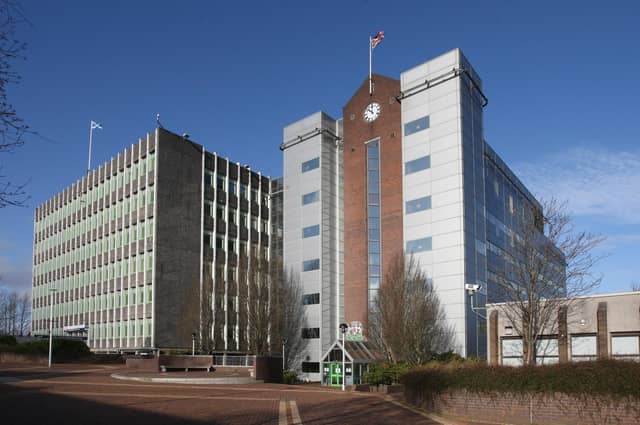
A special meeting takes place at Fife House on Thursday, November 26, when councillors will have their say in a bid to ensure Fife remains among the ’big six’ and continues to run the Kingdom.
They will debate a paper which sets out Fife’s position on local government reform - arguably the biggest shake up in decades.
Fife Regional Council operated from 1975, but, until 1996 it worked with three district councils below it which covered Kirkcaldy, Dunfermline and North East Fife. Thirty years ago they were merged to become the current single unitary authority.
A cross party group has produced a paper setting out Fife’s position which will be debated next week.
It sets out a “a clear articulation of Fife's strengths, ambitions and priorities and establishes a basis for constructive engagement with the Scottish Government, COSLA and wider partners” as the debate over local government reform steps up.
It argues that Fife Council currently operates at a regional level, and also locally with a network of seven area committees taking key decisions at local level.
It said: “Rather than viewing strategic scale and localism as requiring separate tiers of government, Fife provides a working model where the two can operate together.
“The opportunity through reform is to build on this foundation; strengthening Fife-wide strategic leadership and integration where scale adds value, deepening local decision-making and community empowerment where decisions are best taken closer to communities, and collaborating beyond Fife’s boundaries where functions more effectively operate at a regional scale.” The report argues Fife has “a distinct community identity and geographic coherence” but also operates beyond its boundaries - citing the Edinburgh and South East Scotland and Tay Cities City Region Deals.
“Regional collaboration is necessary to achieving the best outcomes for Fife and where there is a functional case for operating at a greater scale,” it said. “Fife does so, while maintaining its strategic capacity and democratic accountability, and ensuring Fife benefits from these regional arrangements.” The report said Fife can approach the Scottish Government reforms with “a strong identity” the ability to operate effectively at scale, while already having strong local committees in place.
But it said that the reforms also “provide the opportunity to address and remove the barriers that prevent Fife from making the most of its current arrangements.” It continued: “It can enable changes to powers, responsibilities, funding and organisational boundaries to enable Fife to more effectively drive better outcomes for people and places.”