
Fife tourist tax: consultation to start as Fife councillors weigh up contentious levy

Consultation is set to get underway on the contentious issue of introducing a new tax on visitors to Fife.
A levy could raise up to £10m, but it is far from certain councillors will follow Edinburgh in bringing in the levy.
In April, the council’s cabinet committee green-lighted a proposal to start a consultation process, but any levy may not come into force until 2028, and only after extensive consultation with the region’s tourism industry players, communities and residents.
That is now set to get underway in September, marking the start of a long process before any final decision is taken.
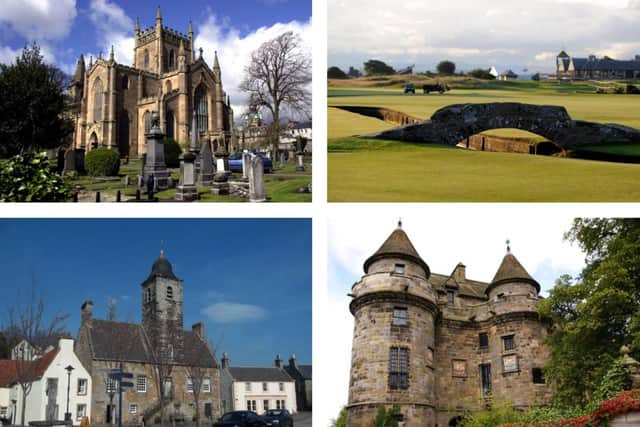

Last year’s Visitor Levy act gave Scottish local authorities the power to apply a fee to those staying in paid accommodation within their area. It would be collected at point of sale by businesses and passed to the council for spending on projects linked to tourism and the visitor economy.
Edinburgh City Council was the first to bring one in, with a 5% levy on the first five nights of an overnight stay - and that could rake in some £50m per annum, starting in July 2026. Other local authorities ahead of Fife include Glasgow, where a levy will be introduced in January 2027, and Stirling, Aberdeenshire and Perth & Kinross which are at varying stages of the consultation process.
The first online consultation will run until November and be followed by a draft scheme for councillors to consider early in 2026 - but with no guarantee that a levy will be introduced.
It will be discussed at committee in March 2026, and there will then be a three-month long formal consultation before another report lands on councillors’ desks next August. Implementing any levy would then take up to 18 months, pushing any launch scheme to April 2028.
The schedule and background are detailed in a briefing which will go before councillors at the finance, economy and corporate services scrutiny committee on Thursday, September 4.
Carol Connolly, executive director, also outlined the potential income Fife could generate depending on the levy it sets.
A 1% tariff on visitors would net £1.467m, 3% would bring in £4.401m, while 5% would realise £7.335m and 7% £10.269m. A percentage of that income could be utilised to support accommodation businesses in Fife with set up and operational costs.
Her report said: “Although local authorities are at different stages in the tourism levy process, there is the opportunity to learn from other areas who are leading the way. Some local authorities have also confirmed that they will not be progressing with a visitor levy at this time, or have paused the process for a number of reasons including low forecast income, uncertainty of the feasibility of a levy scheme under the existing legislation, or wishing to explore another model.” She concludes: “A local scheme could create significant opportunities for Fife Council. However, this must be balanced against the risk of negative impacts from the introduction of a levy in terms of falling visitor numbers. “
Councillors have already been urged to “tread carefully” by the Association of Scotland’s Self-Caterers (ASSC).
Earlier this year, Fiona Campbell, chief executive of the self-catering body. said the organisation had “major reservations” about plans to bring in a tourist tax.
She said: “If taken forward, it needs to be right from the very outset and they must be open about who will be charged – it won’t just be foreign visitors but ordinary Scots staying in the area, including Fifers themselves.
“We have major reservations about the introduction of a tourist tax both in Fife and elsewhere in Scotland. A VAT-attributed percentage rate is overly complex and costly for accommodation providers. This stems from deficiencies in the national legislation and the ASSC and others are imploring the Scottish Government to urgently revisit the charging model.
“Fife Council should take stock and pause any further plans until the government reviews and amends its legislation. Rushing such an important decision will benefit no one, as seen with the significant unease with Edinburgh Council’s fast-tracked efforts which risks operational failure and reputational harm.”
Councillors have also raised a number of concerns, and have started to drill into the detail of how a tax might impact on visitors.