
Road repairs in Fife increase size of 23 football pitches
Road repairs across Fife have increased “by the size of 23 football pitches” compared to the same period last year.
A total of 12,259 pot hole repairs were completed in 2024/25 with the area for repair adding up to 93,713 square metres. This is up from last year’s figure of 72,129 square metres.
Fife Council’s environment, transportation and climate change scrutiny committee was given an update on the statistics at a meeting on Tuesday.
Sara Wilson, service manager for the council’s roads network management, said the rise represented a 33.45 per cent increase from 9,186 in 2022/23 and was 5.87 per cent more from 2023/24’s figure of 11,579.
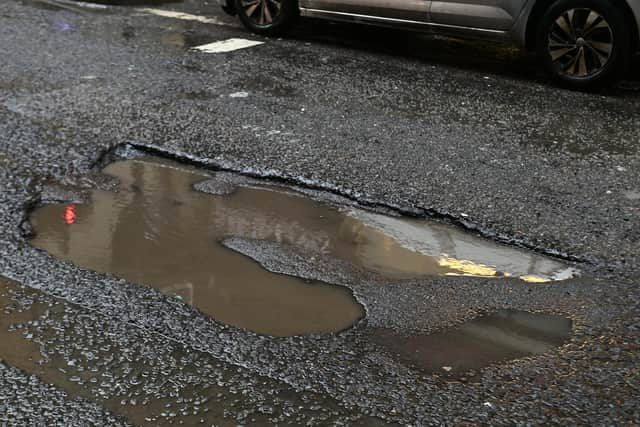

“This reflects the additional resources allocated to this area within roads and transportation services,” she said. “Repairs are prioritised based on severity, ranging from emergency to permanent solutions. This approach ensures timely intervention, helps prevent a backlog of repairs, and supports the continued safety of road users.”
Councillor, Patrick Browne (Dalgety Bay and Inverkeithing, Labour) welcomed the progress: “I think this demonstrates when you allocate an extra £10.5m as we have done as an administration over the last three years, this is the improvement you get.
“This pothole and patching is an increase of 33 per cent. In terms of the area of carriageway treatment that has been undertaken, it has gone from 73,000 square metres to 93,000 which is even more improvement - that is the equivalent of 23 football pitches.”
The area which had the most pot hole repairs was North East Fife with a total of 5,468. In South and West Fife, 1,440 were repaired, 1,226 in Glenrothes, 1,078 in Cowdenbeath, 1,108 in Dunfermline, 1,060 in Levenmouth and 839 in Kirkcaldy.
Councillor Aude Boubaker-Calder, committee convener, added: “The condition of the local roads is one that has the most community concerns we have as councillors.
“While the report highlights slight improvements on the percentage of roads needing maintenance, how do we ensure that repairs are done effectively the first time?”
Ms Wilson said additional funding had helped them identify and focus on areas of concern. She said efforts had now been stepped up to tackle defects.
“We have just doubled resources up for the patching programme from two squads to four dealing with priority three and priority four repairs.”