
Kirkcaldy’s £20million fund: the key questions answered on how it will be spent
The wraps came off the blueprint will sit at the heart of Kirkcaldy’s plans to invest the £20million from the UK Government’s Growth Mission Fund.
Colin Miller, interim chairperson of Love Oor Lang Toun, was one of many who attended the drop-in sessions at the Old Kirk. Here, he sets out the key questions and next steps amid growing debate, and disagreement, online.
Will the Growth Mission proposals transform Kirkcaldy town centre?
For years, residents have debated how Kirkcaldy town centre and waterfront can be revived. Fife Council has now taken a major step forward by outlining how £20 million from the UK Growth Mission Fund could be used to reshape the Lang Toun.
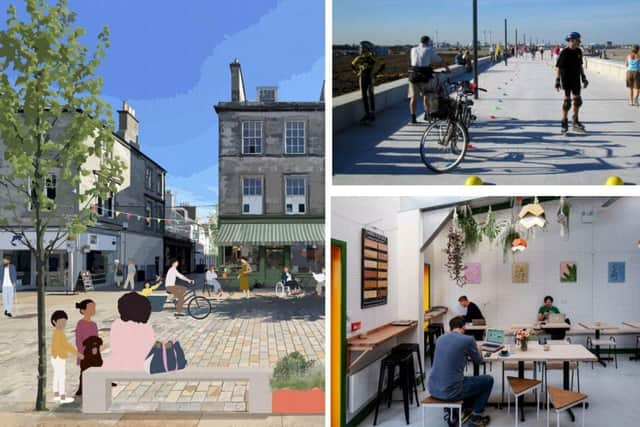

I attended one of the recent drop-in sessions at the Old Kirk and spoke with staff about the proposals. Below are the key points I took away.
Where will the focus of investment be?
An area bounded by Nicol Street, High Street, Tollbooth Street and the Esplanade has been identified as the focus for potential Growth Mission activity. This includes the Mercat Centre and surrounding streets.
What’s planned?
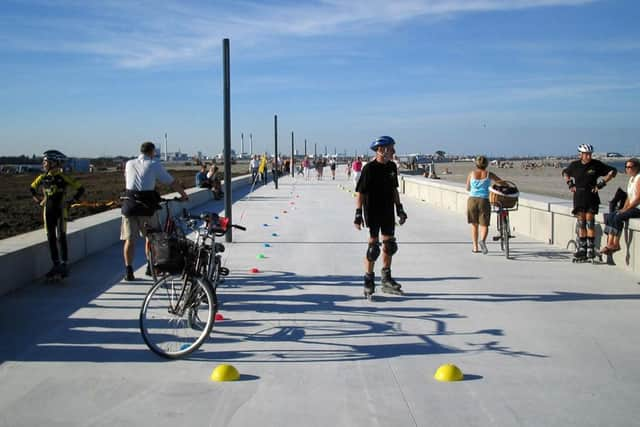
Two priority projects are proposed. The first is the construction of a new building known as the Adam Smith Growth Works. The second involves town centre remodelling, including demolition and site clearance.
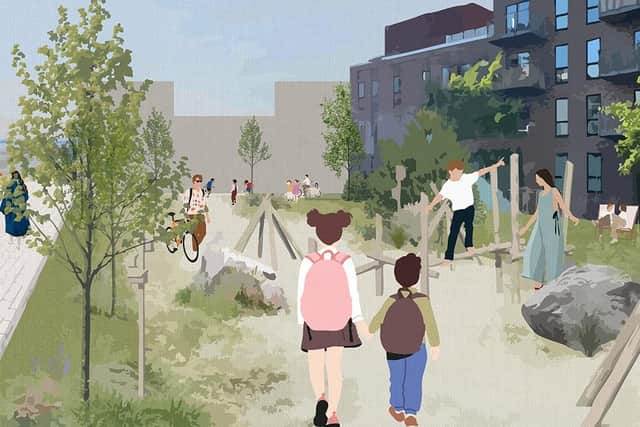
Improved connectivity between the High Street and the waterfront will form part of the proposals.
In the longer term, there is an aspiration to create a new linear Waterfront Park along part of the Esplanade but the implementation of this proposal will not be funded from the £20 million Growth Mission allocation. The council says other projects are higher priority at this stage, but it is committed to exploring alternative funding sources to deliver the park in the future.
Why are these the priority projects?
The UK Growth Mission Fund is explicitly focused on delivering jobs and economic growth. That emphasis perhaps explains why a new enterprise-focused building is at the heart of the proposals.
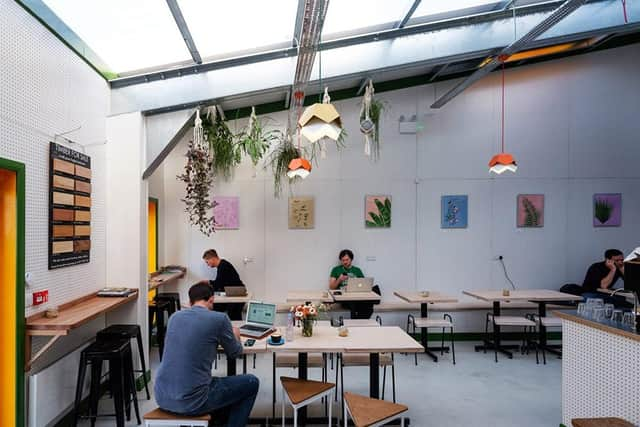
The Adam Smith Growth Works is envisaged as a landmark, multi-purpose facility designed to support enterprise, creativity, learning and community connection. Early suggestions indicate it could include flexible workspace, accommodation for start-ups and growing businesses, and a café.
There is broad agreement that Kirkcaldy town centre has an oversupply of retail space. Like many UK towns, online shopping has reduced demand, resulting in high vacancy levels. As a result, demolition of buildings unlikely to be repurposed forms part of the proposals.
Where will the Adam Smith Growth Works be located?
Growth Mission funding must be spent by March 2029, making deliverability a critical factor. To avoid the complexity and delay of assembling land from multiple owners, the council proposes locating the new building on land it already owns at the Thistle Street and Esplanade car parks which are currently being demolished.
What’s happening with existing vacant buildings?
It appears that some vacant buildings will be demolished, although it is not yet clear which ones or what might replace them. At present, there does not seem to be a clearly articulated strategy for repurposing vacant buildings, although this may emerge as plans develop, discussions with landowners continue and other funding streams are explored.
New build versus repurposing existing buildings?
At the drop-in session I attended, several people questioned why an existing building was not being repurposed for the Adam Smith Growth Works facility. This is a legitimate concern. The explanation given was that the Thistle Street and Esplanade car parks are being demolished, and the council is keen to bring these cleared sites back into use quickly.
To avoid long-term gap sites that could detract from the town centre and waterfront, a new build facility is seen as a way to kick-start redevelopment, create a landmark building and improve the Esplanade frontage.
Repurposing vacant buildings can help address some of the most visible signs of decline in the town centre. Bringing empty properties back into use can improve perceptions, increase footfall, support existing streets and offer environmental benefits by making best use of materials already there and, where appropriate, historic character.
However, not all vacant buildings are suitable for reuse. Some are in poor condition or of limited heritage value, while others are costly to adapt. Modern enterprise space often requires flexible layouts, good natural light, high ceilings and strong energy performance, which older buildings can struggle to provide without significant investment. In some cases, conversion costs can exceed those of new build, with less certainty over the outcome.
From the council’s perspective, a purpose-built facility could perhaps offer greater clarity. A new building can be designed to meet the needs of start-ups and growing businesses and aligns closely with the Growth Mission’s focus on job creation and economic growth.
There is, however, a risk that an overemphasis on new build could leave long-standing vacant properties untouched, reinforcing fragmentation within the town centre. How the balance between demolition, reuse and new development is struck remains unclear, with further detail expected as discussions with landowners progress.
What happens next?
The council has invited feedback by February 15 on the proposals presented at the drop-in sessions. Subject to final confirmation, funding is expected to become available in the 2026/27 financial year.
A dedicated webpage has been launched at our.fife.scot/transformingkirkcaldy to keep the community informed.
A new masterplan for Kirkcaldy town centre will not please everyone - many individuals have already raised concerns online -so, it is important that the council listens carefully to community feedback before final decisions are made, particularly on the balance between new development and reuse of existing buildings.
The board of Love Oor Lang Toun will consider the proposals at its next meeting. Anyone wishing to share views can email our development manager at [email protected].
As Kirkcaldy continues to adapt to changing economic realities, the Growth Mission Fund proposals represent a significant opportunity to re-imagine the town centre and waterfront. While not every idea will command universal support, the scale of investment means the choices made now could shape the Lang Toun for decades.
The £20 million available will help start this transformation, but further investment will be required to complete the job. A clear and ambitious masterplan should help identify longer-term opportunities, including how some vacant buildings can be brought back into productive use, and ensure Kirkcaldy is well placed to secure future funding.