
Restoration Forth: major funding boost for project to restore habitats in estuary

An award-winning project is set to expand its efforts to protect and restore habitats in the Firth of Forth thanks to new funding
Restoration Forth has received over £454,000 from The National Lottery Heritage Fund to help its plans to apply for a full grant.
The ambitious marine conservation partnership aims to restore seagrass meadows and European flat oyster beds in the Forth
Teams of volunteers have worked hard over the past four years at locations including Burntisland Sands, Pettycur in Kinghorn, Belhaven Bay, and Drum Sands to restore four hectares of seagrass meadows and introduce 60,000 oysters, with monitoring showing very positive survival rates.
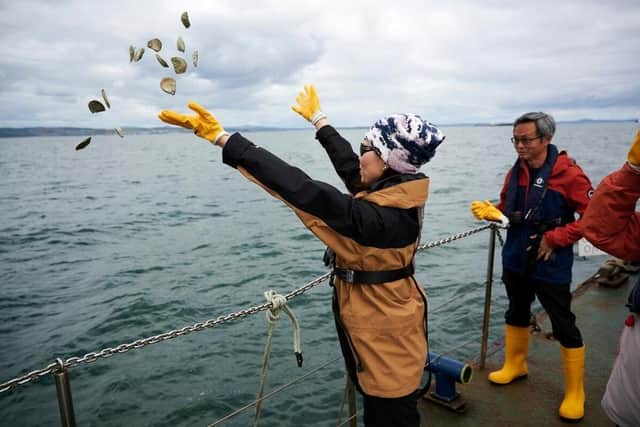

The Forth’s oyster beds were some of the most famous in Scotland over the 17th and 18th centuries - but over-fishing and industrial development led to their extinction.
Oysters were significant for the economy and diet in the areas of Newhaven and Leith in Edinburgh.
The ‘Newhaven Fishwives’ would sell them around the city, and were a prominent part of the community. Some records show that nearly 30 million oysters were fished from the Firth of Forth annually, over a 10 year period.
By increasing oyster numbers it’s hoped other species and habitats that are vital to the health of the Forth will also thrive - they play a valuable role by filtering water, storing carbon and providing shelter for countless marine species.
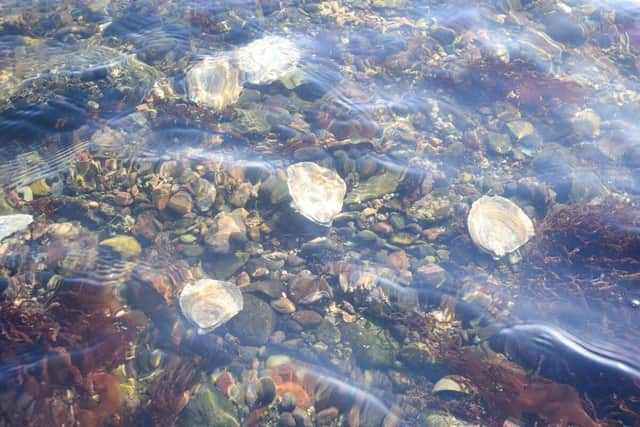
The latest development funding will allow Restoration Forth to progress its work on critical wildlife and habitats in the estuary, including growing oysters in specialised tanks and deploying them into Forth attached to shells.
During the next phase, the project will also research restoration opportunities for blue mussels, saltmarsh and sand dunes along the Firth of Forth coastline. Alongside this, opportunities will also be identified for community-led seaweed growing.
Activities on land have a direct impact on the health of the Forth and the potential for restoration. The project will be working with farmers and landowners to identify what options are possible and beneficial to reducing land-based impacts on water quality.
Volunteers, local groups and schools will also be able to take part in the project through events, citizen science activities, and volunteering opportunities, allowing even more people to enjoy and play a part in the Firth of Forth's natural and cultural heritage.
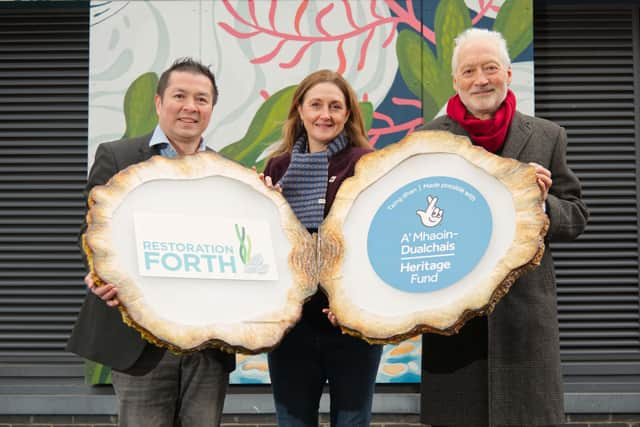
Dr Lyndsey Dodds, senior policy manager at WWF Scotland said: "This is a significant milestone for Restoration Forth.
“The new funding will allow us to build on our successful oyster restoration efforts, by expanding the habitats we are focused on to include blue mussels, sand dunes and saltmarsh, and identifying how land-based pressures can be reduced and what finance models are needed to support long-term restoration of the Firth of Forth, all while ensuring the communities are involved and their voices are heard.”
The project will continue to work with volunteers and local communities to deliver restoration activities and raise awareness of the importance of Scotland's marine and coastal heritage.
Caroline Clark, The National Lottery Heritage Fund Director for Scotland, said: “Restoration Forth is an incredibly important programme focusing on marine restoration and coastal communities, supporting thriving nature restoration in the Forth.
“Working at a landscape scale and with a focus on key foundation species, Restoration Forth has the potential to deliver significant tangible benefits for nature and opportunities for local people to get involved."
Maggie Hodge, a volunteer with Restoration Forth said: “Having the chance to do something practical to improve the marine environment has been really rewarding. I’ve gained a lot of knowledge and have enjoyed meeting like-minded people. The longevity of the project is crucial for its success and its expansion into new species is really exciting. I’m looking forward to being part of their continued improvements to my local environment."
Restoration Forth’s partners include WWF, Edinburgh Shoreline, Balanced Horizon, Heriot Watt University, Marine Conservation Society, Scottish Seabird Centre, and The Ecology Centre.