
Fife planning objection changes ‘will make it harder for public views to be heard’
Changes to the way Fife Council accepts planning objections could make it harder for the public to have their views heard, it has been claimed.
Auchtertool Action Group co-chairperson Michael Hodgson who has expressed concern over the changes which the local authority plans to bring in on November 1.
From next month, representations will no longer be permitted by email which means comments can only be sent on the council’s online planning portal or by letter.
It said the changes will ensure comments can be processed accurately, efficiently and transparently. It comes just weeks after the council sparked a backlash when more than 400 submissions regarding a controversial bid by taxi app company, uber, to open a booking office were dismissed - because none had been signed by hand or electronically.
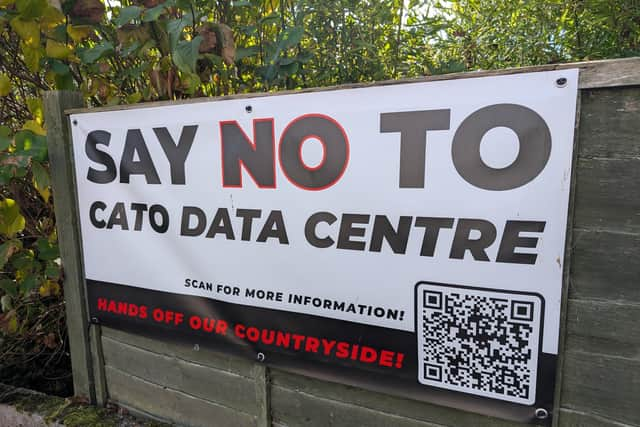

Now the change has been criticised by the action group set up earlier in the year in response to the submission of plans for a data centre in the Fife village.
The proposals attracted more than 15,000 objections with the majority of these not yet having been published on the council website.
With more objections likely to flood in when the window for representations reopens following the completing of an environmental impact assessment, Mr Hodgson fears that the changes will see locals unable to have their say.
“The council said the change is intended to ensure all submissions meet formal requirements and are processed efficiently, but our community group warn it could make it harder for people without reliable internet access or those who prefer digital simplicity to have their voices heard,” he said.

“For a lot of people in the community, to go through a planning portal you need to register, get sent an email, remember your password.
“If you are 70/80 years old, it is quite complicated to do that bearing in mind a lot of the village are older as well. So something in an email was an easier option.”
Mr Hodgson said he believes the massive number of objections “broke the system”.
He continued: “It had never had so many objections and the ability for Fife Council to store all of them when we are putting them up has not happened. They don’t have a huge amount of people doing it.
“Our concern is when we come to the next round of objections, it is not inclusive. To have to do it through either in writing or through the Fife Council portal.”
Many in the community, including Mr Hodgson, had been unable to get into the planning portal so had emailed their submissions.
“Fife Council reducing the way that people can object to planning applications seems a reversal in the process,” he added. “It limits people who do not have the ability to do that. The limitations put on by Fife Council mean it will become more increasingly difficult to object to something that people do not want.”
Mary Stewart, the council’s service manager for planning, climate and sustainability services, said work was underway to ensure the public can use the planning portal.
“The move towards online submissions helps provide a more consistent, accurate and efficient way of receiving and recording comments,” she said.
“It also enables verification of email addresses, ensures users are aware that their comments may be published online, and provides clear information on how personal data will be handled.
“Ahead of introducing the updated process, we carefully considered the needs of people who may find it difficult to use an online system.
“For that reason, the option to submit comments by letter has been kept, and we will continue to provide support to anyone who needs help using the online planning service. We’ve also provided training on accessing planning information and submitting representations online to all community councils and we’re happy to provide them with further support and training as needed.
“We recognise that with this change there may be some concerns about the accessibility and reliability of the online planning service.
“The system is continuously monitored and experienced staff are available around the clock to respond to any issues that arise.
“In the rare event that a fault cannot be resolved within a short period, we would normally extend the timescale for submitting representations to ensure nobody is disadvantaged.”
Ms Stewart said they were confident the system can cope with high levels of submissions. She added: “Following discussions with our software supplier, we are satisfied that an upgrade to the planning portal isn’t needed at the moment.
“However, performance will continue to be monitored, and improvements will be made where necessary.”